November 10, 2026
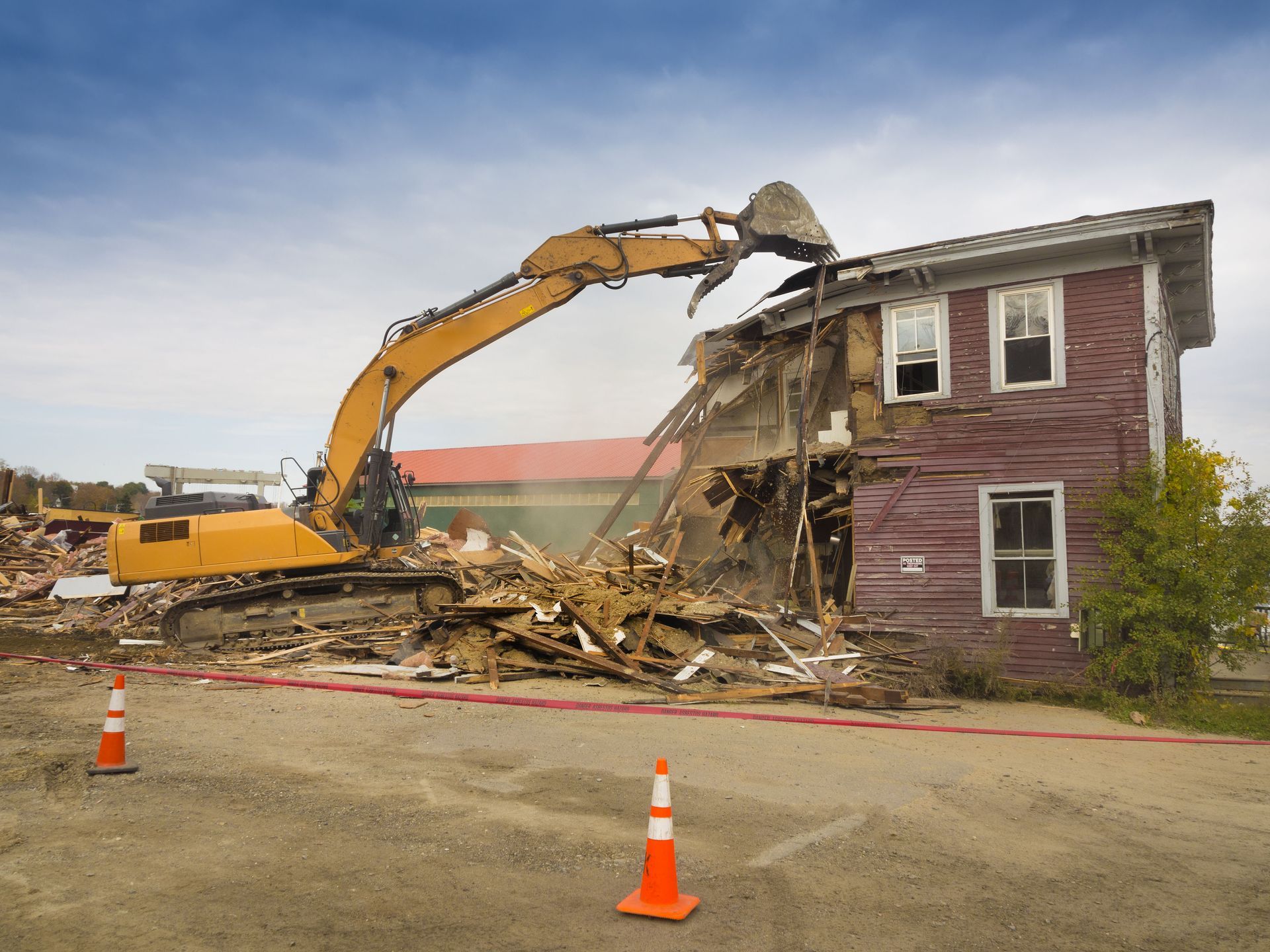
Demolition projects require careful planning to protect the surrounding property. Whether removing an outdated structure, clearing a damaged building, or preparing for new construction, the process can affect more than the materials being demolished. Foundations, underground utilities, nearby trees, garden beds, and drainage systems may be vulnerable to damage when heavy equipment and debris are involved. Without appropriate precautions, demolition activities can create expensive complications that delay future construction or require extensive landscape restoration. Working with a professional demolition service helps property owners manage these risks through site evaluations, controlled removal techniques, and protective measures. Understanding how experienced contractors safeguard foundations and landscaping can help homeowners prepare for demolition while preserving valuable features of their property.
Evaluating Existing Foundation Conditions
Before demolition begins, contractors need to understand the condition of existing foundations and nearby structural elements. Cracks, settlement, deteriorated concrete, and unstable soil may influence how a building should be removed. These conditions become particularly important when portions of a foundation must remain intact for future construction. An initial evaluation helps identify vulnerable areas and determine whether additional structural assessments are necessary.
A professional demolition service can examine accessible foundation components and coordinate with structural specialists when conditions require further investigation. Contractors consider building materials, structural connections, and the proximity of surrounding improvements. They may recommend selective removal methods to reduce unnecessary stress on foundations intended for preservation. Establishing these requirements before work begins helps prevent avoidable damage and supports safer project execution.
Identifying Underground Utilities and Obstacles
Underground utilities present significant challenges during demolition because important infrastructure may be concealed beneath driveways, lawns, and building foundations. Water lines, sewer connections, electrical conduits, and gas services can be damaged when excavation or equipment movement occurs without adequate preparation. Underground obstacles, including abandoned pipes and buried construction debris, may also interfere with removal activities. Identifying these features early helps contractors establish safe working areas.
Professional crews coordinate utility locating and disconnection procedures before disturbing the ground. Public utility marking services may identify certain lines, while private utility locating may be necessary for infrastructure beyond public service boundaries. Contractors can adjust equipment routes and excavation plans around identified obstacles. These precautions help protect existing systems, reduce accidental service interruptions, and prevent damage that could affect future landscaping or construction.
Establishing Protective Equipment Access Routes
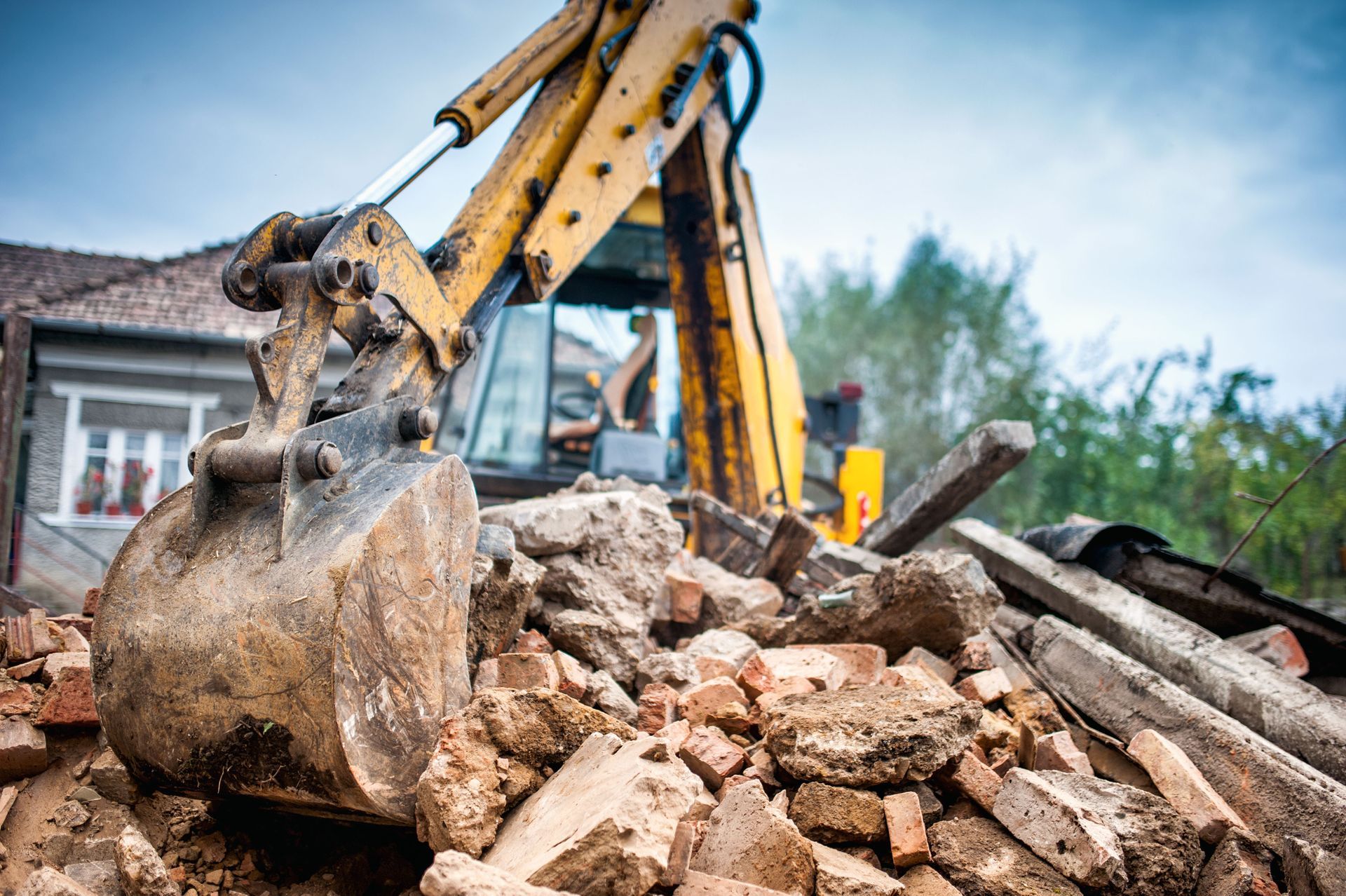
Heavy demolition equipment can place considerable pressure on lawns, soil, pavement, and underground structures. Excavators, loaders, and hauling vehicles require adequate space to maneuver safely, but repeated movement across unprotected areas may compact soil or damage established landscaping. Narrow access points and nearby structures can create additional challenges. Planning equipment movement before demolition begins helps reduce unnecessary disturbance throughout the property.
An experienced demolition service can establish designated access routes based on site dimensions, ground conditions, and equipment requirements. Temporary ground protection mats or other suitable materials may help distribute equipment weight across sensitive surfaces. Contractors may also restrict vehicle movement near tree roots, retaining walls, and vulnerable hardscaping. Maintaining organized access routes limits unnecessary traffic and helps preserve areas that are not part of the demolition project.
Protecting Trees and Established Vegetation
Mature trees, shrubs, and landscaped planting areas can represent years of investment and maintenance. Demolition activities may threaten these features through falling debris, equipment contact, soil compaction, or damage to underground root systems. Even when a tree's trunk remains untouched, disturbances within its root zone can affect long-term health. Identifying vegetation worth preserving allows contractors to incorporate protective measures into their demolition plans.
Protective fencing can establish boundaries around trees and planting beds that should remain undisturbed. Contractors may coordinate with arborists when excavation or equipment access could affect significant root systems. Materials, debris, and machinery should be kept outside designated protection zones whenever practical. Careful planning helps reduce unnecessary damage and supports the continued health of established landscaping after demolition activities are completed.
Controlling Debris and Demolition Materials
Demolition produces materials that can damage surrounding property if they are not properly managed. Broken concrete, masonry fragments, wood, metal, and roofing materials may scatter across lawns, planting beds, and nearby walkways. Sharp debris can create safety hazards, while heavy materials may damage irrigation components or decorative landscape features. Establishing organized debris handling procedures helps prevent unnecessary contamination and physical damage.
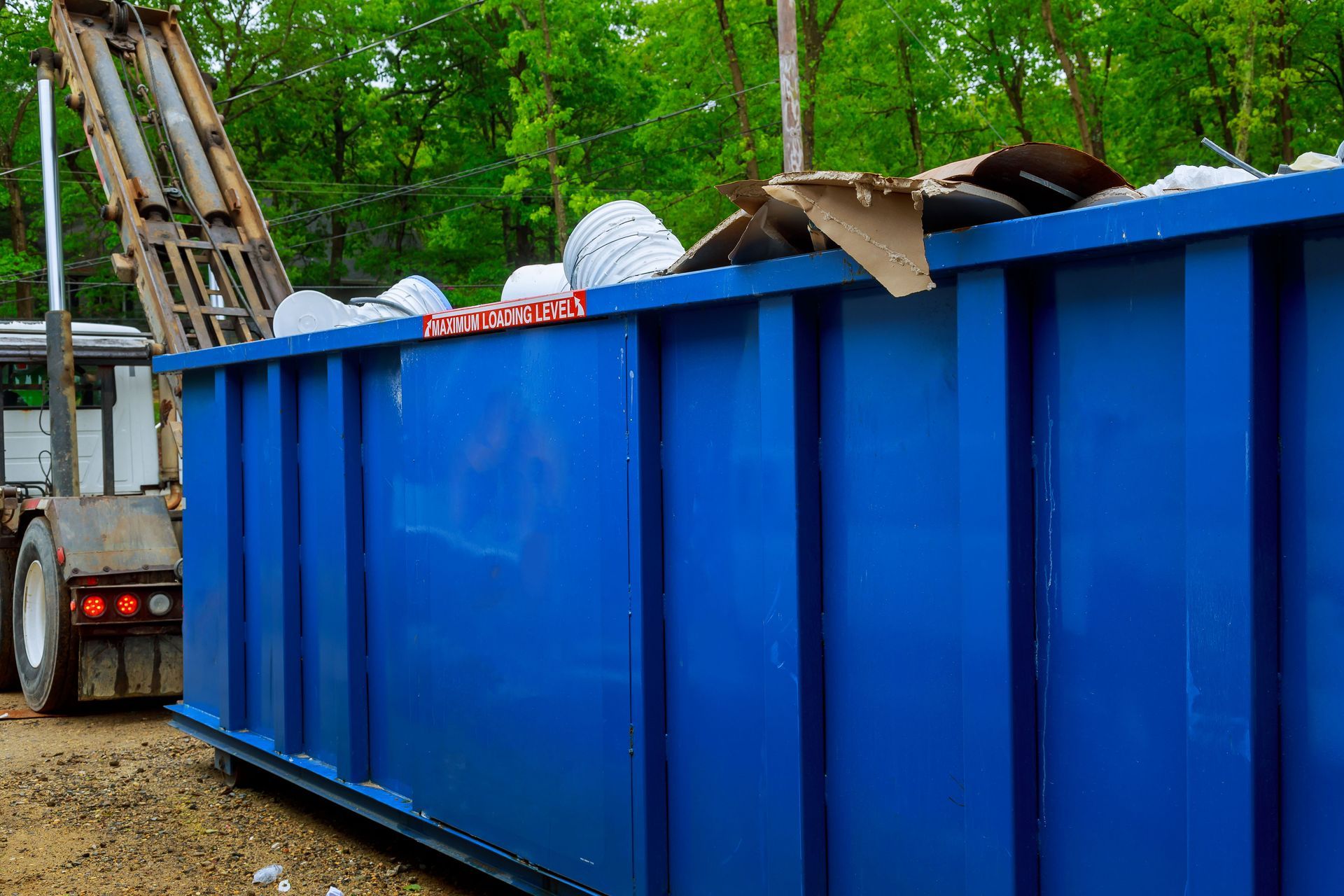
A professional demolition service can use controlled removal methods, designated collection areas, and appropriate hauling equipment to manage debris. Contractors may install temporary barriers or protective coverings around vulnerable features. Separating materials as work progresses also helps maintain cleaner access routes and supports efficient disposal. Regular cleanup reduces the likelihood of debris accumulating in landscaped areas and makes final property restoration more manageable.
Managing Soil Stability and Drainage Conditions
Soil conditions influence how demolition affects foundations, landscaping, and surrounding structures. Excavation, heavy equipment, and the removal of existing buildings can change how soil supports nearby improvements. Disturbed ground may become vulnerable to erosion, especially during heavy rainfall. Changes in surface grading can also redirect water toward foundations, garden beds, or neighboring properties. Recognizing these risks helps contractors establish appropriate precautions before extensive ground disturbance occurs.
Professional demolition planning may include erosion controls, temporary drainage measures, and careful excavation boundaries. Contractors can evaluate where soil displacement is likely and identify areas requiring additional protection. Maintaining appropriate grading during demolition helps limit water accumulation and unnecessary runoff. When significant excavation is involved, engineering guidance may be necessary to protect adjacent foundations. These measures support safer site conditions and reduce the likelihood of expensive drainage corrections.
Addressing Hazardous Materials Before Demolition
Older buildings may contain materials that require special handling before structural removal begins. Lead-based paint, asbestos-containing products, and other hazardous substances can create health and environmental concerns when disturbed. Improper removal may contaminate surrounding soil, vegetation, and outdoor surfaces. Property owners should identify potential hazards early rather than assuming that all building materials can be handled through ordinary demolition procedures.
According to HomeGuide, homes constructed in the 1970s or earlier often contain lead or asbestos, making professional hazardous material removal necessary at least two weeks before demolition begins. A qualified demolition service can coordinate with appropriate inspection and abatement professionals to establish safe project sequencing. Testing and removal requirements depend on the materials present and applicable regulations. Completing necessary abatement before demolition helps protect workers, nearby occupants, and surrounding property from avoidable exposure.
Coordinating Final Cleanup and Site Restoration
Protecting a property does not end when the structure has been removed. Remaining debris, disturbed soil, damaged turf, and uneven ground may interfere with landscaping or future construction. Contractors must also consider whether foundation remnants, underground obstructions, or temporary access materials require removal. A thorough final assessment helps identify conditions that should be addressed before the property is returned to normal use.
Professional crews can coordinate debris removal, site grading, and cleanup activities according to the agreed project scope. Areas affected by equipment traffic may require soil restoration or preparation for new landscaping. Property owners should review the finished site and discuss any remaining concerns before considering the project complete. Clear expectations regarding cleanup responsibilities help prevent misunderstandings and support a smoother transition to future improvements.
Demolition requires more than removing unwanted structures. Careful site evaluations, utility identification, equipment planning, vegetation protection, and debris management all contribute to preserving foundations and landscaping. Contractors must also consider soil stability, drainage conditions, hazardous materials, and final cleanup requirements to reduce unnecessary property damage. Working with an experienced demolition service helps property owners coordinate these responsibilities while preparing their sites for future use. Although every project presents different challenges, thoughtful planning and appropriate protective measures can reduce complications and support successful results. Property owners considering structural removal should discuss existing landscape features, foundation concerns, and restoration expectations before work begins. For professional assistance with demolition planning and property protection, contact Hough INC today.